
Most people carry some visible trace of their skin’s history, whether that’s a scar from past acne, sun spots that never faded, or fine lines that appeared earlier than expected. None of these concerns need to be permanent.
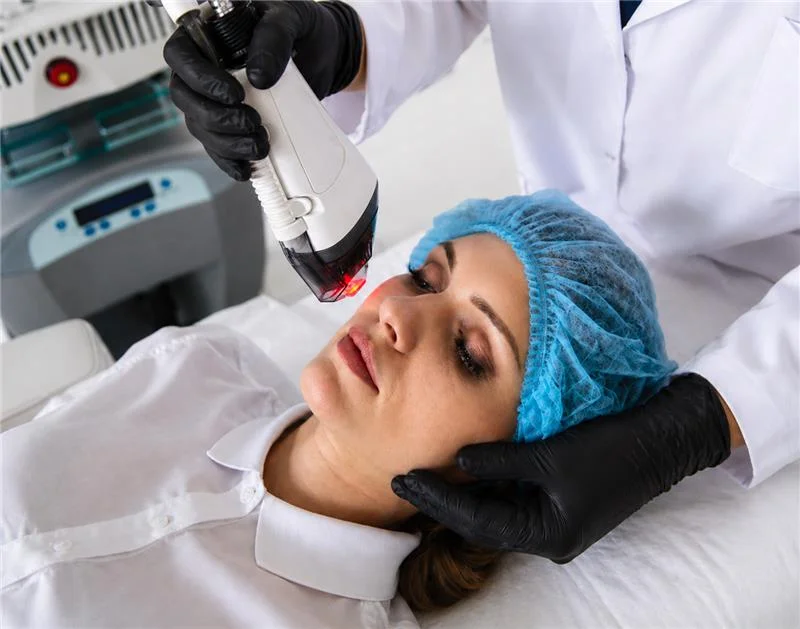
Fraxel laser has become one of the most trusted non-surgical options for treating tired, uneven, or sun-damaged skin. At Shabnam Medical Aesthetic, the Fraxel laser treatment in Montreal and Laval patients rely on uses precise beams of light to create controlled micro-injuries within the skin.
This process encourages the skin to heal naturally, stimulating collagen production and gradually replacing damaged cells with healthier ones.
The following are seven common skin concerns this treatment is known to address effectively.
1. Acne Scars
Breakouts fade eventually, but the scars they leave don’t always follow. Pitted or textured marks can sit stubbornly on the skin for years, resisting creams and facials that promise smoother texture. Fraxel works below the surface, right where these scars form, and pushes the skin toward rebuilding itself with a more even finish.
2. Surgical Scars
A scar from a past surgery or injury can linger long after the wound itself has healed. Fraxel helps this tissue soften and blend into the surrounding skin more naturally. It’s not an instant fix. The improvement builds gradually as new skin cells replace the older, scarred ones.
3. Fine Lines and Wrinkles
Watching lines deepen around the mouth or eyes isn’t anyone’s favorite part of getting older. Because Fraxel triggers collagen production, it works from within the skin rather than just smoothing things over on the surface. After a handful of sessions, many patients notice their skin looking firmer and a bit more youthful.
4. Sun Damage
Years spent in the sun tend to show up eventually, whether that’s rough patches, blotchy tone, or skin that simply looks older than it should. This is one of the more common reasons people look into fraxel laser treatment in Montreal clinics provide, since sun damage rarely improves on its own. The laser goes after these damaged layers directly, helping bring back a clearer, more even complexion.
5. Pigmentation and Dark Spots
Dark spots and uneven tone can make skin look tired even when nothing else is really wrong with it. Fraxel breaks down this excess pigment in stages, so spots fade rather than vanish overnight, which tends to look far more natural in the end.
A few points worth keeping in mind here:
- Visible change usually takes a few weeks, as new skin gradually replaces the damaged layer underneath.
- Patients with deeper or pigment-prone skin tones should have a consultation first, since the approach needs to be adjusted accordingly.
- Daily sun protection afterward matters a great deal; otherwise, new spots can simply take the place of the old ones.
6. Actinic Keratosis (AK)
This condition shows up as rough, scaly patches caused by long-term sun exposure, and it’s worth more attention than a typical cosmetic concern. Fraxel targets these damaged cells directly, which helps restore both the texture and the overall condition of the skin in that area.
7. Uneven Skin Texture and Dullness
Sometimes skin just looks flat or feels rough, without one specific issue you can point to. Fraxel addresses this too, clearing away the outer layer of dull, worn-out cells so fresher ones can take their place. Many patients notice brighter, smoother-feeling skin within a few weeks of their session.
Why Fraxel Handles So Many Concerns at Once
Fraxel isn’t built for just one job. It works on the surface and deeper layers of skin simultaneously, which explains why a single device can manage such a broad range of issues.
A closer look at what sets it apart:
- Encourages the skin’s own collagen production instead of temporarily masking a problem.
- Recovery tends to be shorter compared with older, more aggressive resurfacing methods.
- Every session is adjusted based on skin type, tone, and the specific concern being treated.
- Built-in cooling technology keeps the experience more comfortable throughout the appointment.
Most patients need two to four sessions, spaced a few weeks apart, before seeing their best results. Some early changes appear within the first week, though the fuller transformation, including smoother texture, faded spots, and softer scarring, tends to develop gradually over one to three months as new skin cells form.
Shabnam Medical Aesthetic: Your Trusted Partner for Fraxel Laser Treatment
Where you choose to have this kind of treatment done matters just as much as the treatment itself.
- Located at 2525 Boulevard Daniel-Johnson in Laval, QC, and serving patients across Laval and Montreal.
- Offers Fraxel laser alongside dermal fillers, Botox, skin boosters, and other non-surgical aesthetic treatments.
- Uses the Fraxel® DUAL 1550/1927 system, an FDA-approved and clinically proven laser technology.
The clinic’s team builds each plan around the individual, rather than offering the same routine to every patient who walks through the door. Sessions follow strict safety protocols, and the focus throughout stays on clear communication rather than guesswork.
Whether someone is dealing with long-standing acne scars or sun damage that crept up over the years, the goal is always a result that looks like healthier skin, not an obvious “treatment.”
Also read: How to Choose the Best Laser Hair Removal Treatment in Laval for Safe and Lasting Results
Final Thoughts
Acne scars, sun damage, and uneven pigmentation don’t have to be permanent fixtures on your skin. Fraxel laser works by addressing these issues at the source, relying on the skin’s own healing process to create change that lasts rather than fades within weeks.
If any of these seven concerns sound familiar, booking a consultation is a reasonable next step. A qualified expert can assess your skin, discuss what you’re hoping to achieve, and put together a plan suited to your specific needs.
Reach out to Shabnam Medical Aesthetic to schedule an appointment and start working toward clearer, healthier-looking skin.


